Treatments, Test Kits, Applicator Tools & Traps
Beehive Test Kits, Treatments, and Tools
Honeybee colonies face a wide range of pests and diseases throughout the season. Staying ahead of them starts with regular monitoring and quick response when something looks off. Many beekeepers do this by using beehive test kits and simple inspection routines to understand what’s happening inside the hive before issues have a chance to spread. As a local beekeeping supplier, Meyer Bees provides tools and treatments suited to Midwest conditions, helping both new and experienced beekeepers protect their colonies year‑round.
Some challenges show up more often than others, and each one affects colonies differently. Beekeepers commonly encounter:
- Small hive beetles during warm, humid stretches
- Wax moths in stored equipment or weak colonies
- Nosema in early spring or during nutritional stress
- Foulbrood in hives with declining brood patterns
Knowing how these pests behave and when they tend to appear helps you respond early and keep colonies strong.
Choosing the right treatment depends on what you’re dealing with and when the issue appears. Temperature, colony size, brood levels, and seasonal timing all play a role. Some treatments work best during cooler months, while others require warm weather to be effective. Hobbyists often prefer organic or essential‑oil‑based options, while larger operations may lean toward longer‑lasting treatments that fit into a broader management schedule. Reading product labels closely and matching the treatment to the situation ensures better results and safer application.
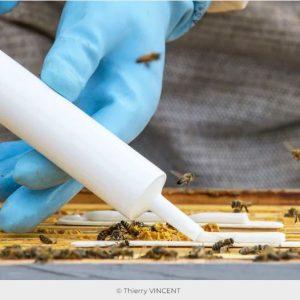
Safe application matters just as much as choosing the right product. Many beekeepers keep nitrile gloves and respirators on hand when working with vaporizers or chemical strips. Dedicated measuring tools and heat‑resistant equipment help ensure accuracy and consistency. Beetle traps and entrance reducers also support broader pest‑management strategies by reducing stress on the colony and limiting pest access. These small additions can make a noticeable difference in overall hive health.
For help selecting the right treatment or tools for your apiary, contact Meyer Bees for friendly, local guidance.
Frequently Asked Questions
How often should I check for pests and diseases?
A quick inspection every couple of weeks during the active season helps you catch issues before they spread.
What signs suggest small hive beetle trouble?
Slimed comb, fermented odors and beetle larvae tunneling through frames are early indicators that beetles are gaining ground.
How can I prevent wax moth damage?
Store equipment in well‑ventilated, pest‑free areas and keep colonies strong enough to defend their space.
What should I do if I suspect foulbrood?
Stop moving equipment between hives and contact your local bee inspector or an experienced beekeeper for next steps.
Do I need protective gear when applying treatments?
Yes. Gloves, eye protection and a respirator are recommended for many products, especially vaporizers and chemical strips.
-

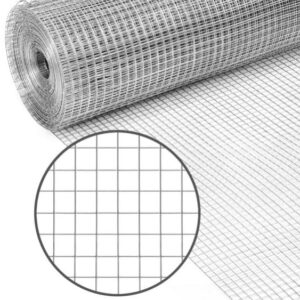
#3 Wire Mesh Hardware Cloth 3/8″
Price range: $14.95 through $124.95 Select options This product has multiple variants. The options may be chosen on the product page -
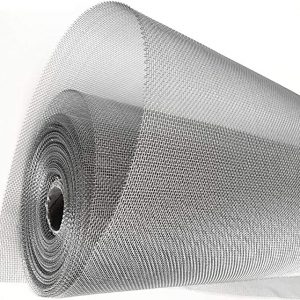
#8 Wire Mesh Hardware Cloth 1/8″
Price range: $14.95 through $119.95 Select options This product has multiple variants. The options may be chosen on the product page -
AmiFlex Varroa Mite Treatment
Price range: $339.99 through $369.99 Select options This product has multiple variants. The options may be chosen on the product page -
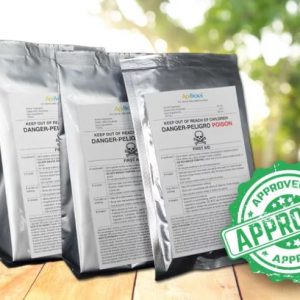
Api-Bioxal Oxalic Acid Varroa Mite Treatment
Price range: $12.95 through $54.95 Select options This product has multiple variants. The options may be chosen on the product page -
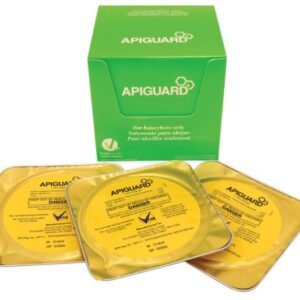
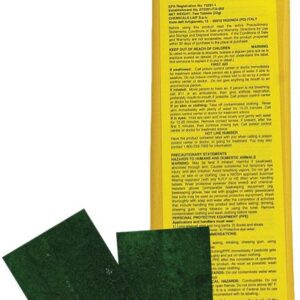
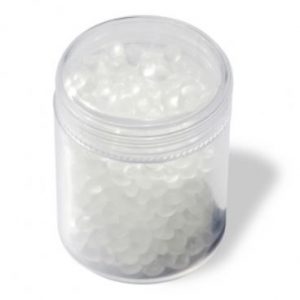
Apiguard Mite Treatment
Price range: $29.95 through $143.95 Select options This product has multiple variants. The options may be chosen on the product page -
ApiLife Var
Price range: $75.95 through $362.95 Select options This product has multiple variants. The options may be chosen on the product page -
Apistan Strips
Price range: $44.95 through $245.95 Select options This product has multiple variants. The options may be chosen on the product page -
-
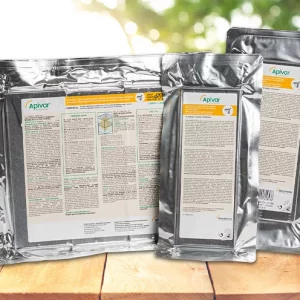
Apivar Mite Treatment Strips
Price range: $24.95 through $174.95 Select options This product has multiple variants. The options may be chosen on the product page -
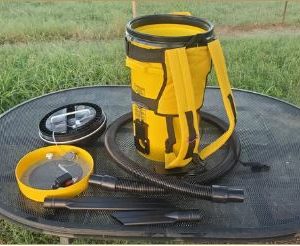
Battery Powered Bucket Backpack Bee Vacuum
Price range: $20.00 through $650.00 Select options This product has multiple variants. The options may be chosen on the product page -
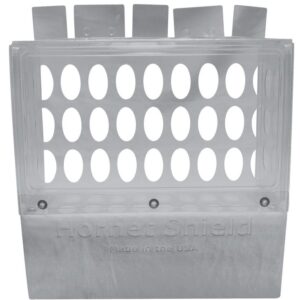
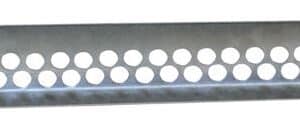
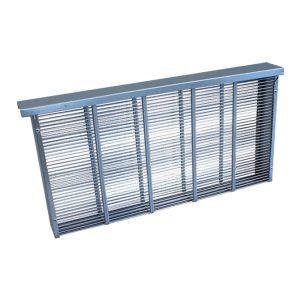
Beehive Mouse Guard
$9.95 Select options This product has multiple variants. The options may be chosen on the product page -
-
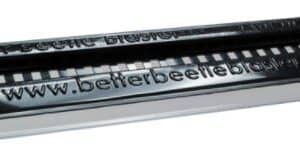
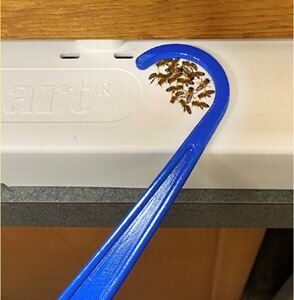
Beetle Blaster Traps for Small Hive Beetle Control
Price range: $2.95 through $250.00 Select options This product has multiple variants. The options may be chosen on the product page -
-
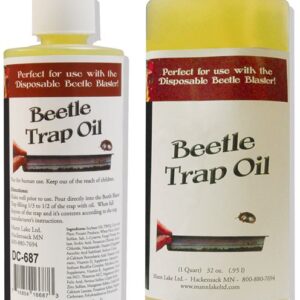
Beetle Trap Oil
Price range: $15.95 through $19.95 Select options This product has multiple variants. The options may be chosen on the product page -
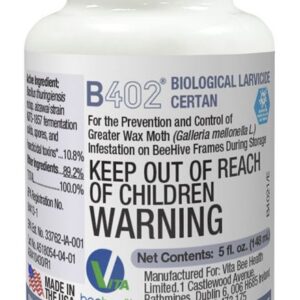
Certan Wax Moth Control
Price range: $41.00 through $179.95 Select options This product has multiple variants. The options may be chosen on the product page -
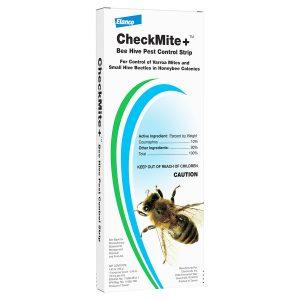
CheckMite+
Price range: $49.95 through $479.95 Select options This product has multiple variants. The options may be chosen on the product page -
-
-
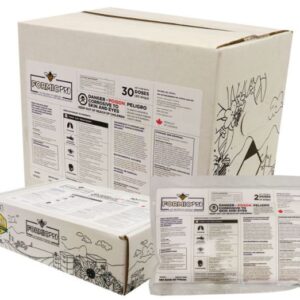
Formic Pro Mite Strip Treatment
Price range: $21.95 through $169.95 Select options This product has multiple variants. The options may be chosen on the product page -
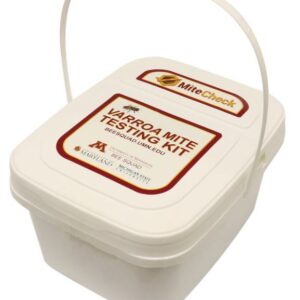
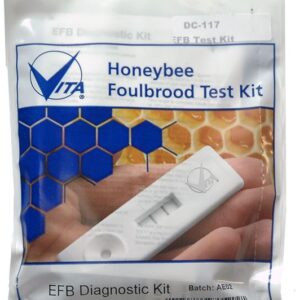
Foulbrood Test Kits
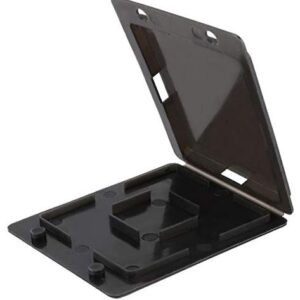
$16.95 Select options This product has multiple variants. The options may be chosen on the product page -
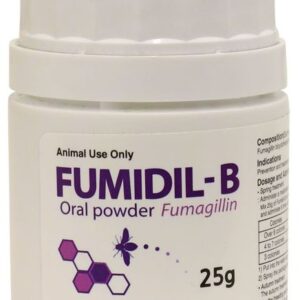
Fumidil-B Nosema Treatment
Price range: $24.95 through $289.95 Select options This product has multiple variants. The options may be chosen on the product page -
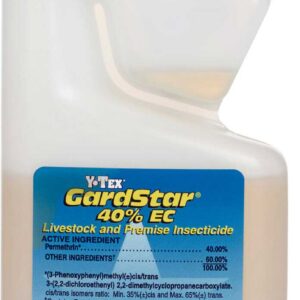
GardStar Ground Drench
Price range: $24.95 through $149.95 Select options This product has multiple variants. The options may be chosen on the product page -
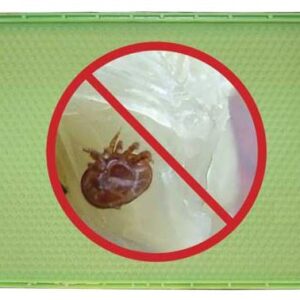
Green Drone Comb Frame
Price range: $5.00 through $42.50 Select options This product has multiple variants. The options may be chosen on the product page -
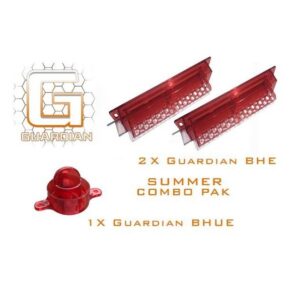
Guardian Bee Hive Entrance – Keeps Small Hive Beetles Out
Price range: $4.99 through $245.95 Select options This product has multiple variants. The options may be chosen on the product page -
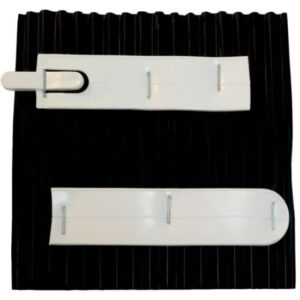
Hive Beetle Towels / Sheets
Price range: $6.95 through $74.95 Select options This product has multiple variants. The options may be chosen on the product page -
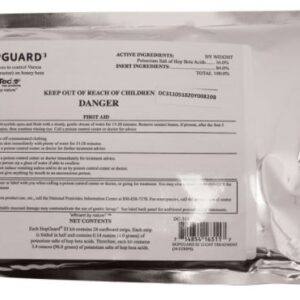
HopGuard 3 Mite Treatment
Price range: $34.95 through $59.95 Select options This product has multiple variants. The options may be chosen on the product page -
-
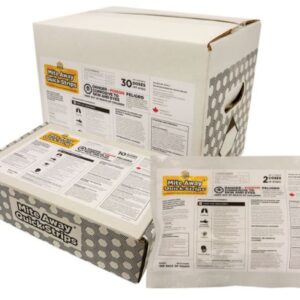
Mite Away Quick Strips / MAQS
Price range: $17.95 through $152.95 Select options This product has multiple variants. The options may be chosen on the product page -
-
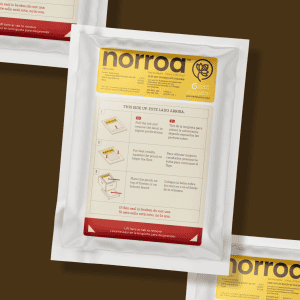
Norroa Varroa Mite Treatment
Price range: $22.00 through $216.00 Select options This product has multiple variants. The options may be chosen on the product page -
-
-
Sale!
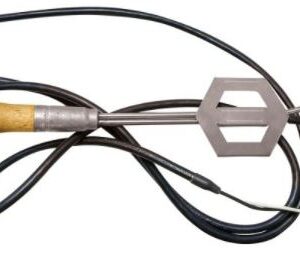
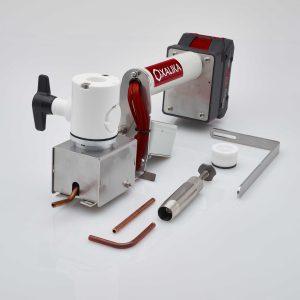
Oxalika Oxalic Acid Vaporizer
Price range: $299.95 through $699.95 Select options This product has multiple variants. The options may be chosen on the product page -
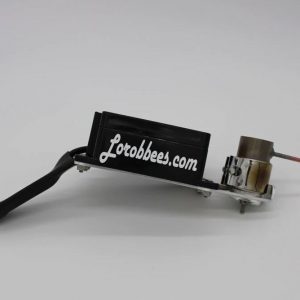
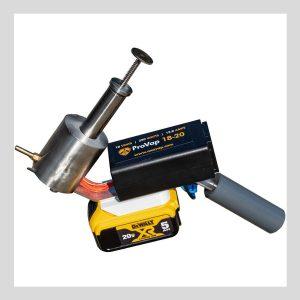
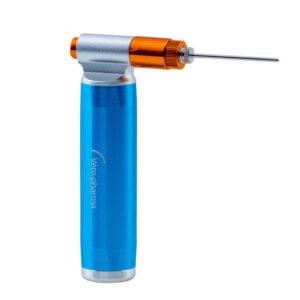
OxaVap ProVap 18-20 Vaporizer
$525.95 Select options This product has multiple variants. The options may be chosen on the product page -
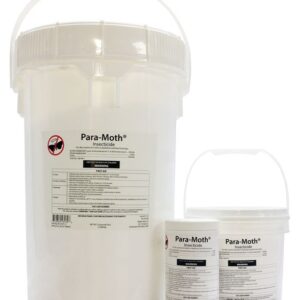
Para-Moth Wax Moth Control
Price range: $34.95 through $289.95 Select options This product has multiple variants. The options may be chosen on the product page -
-
-
-
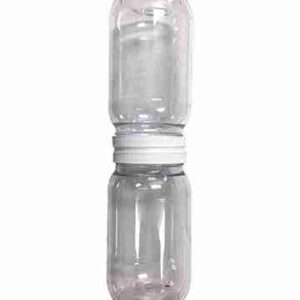
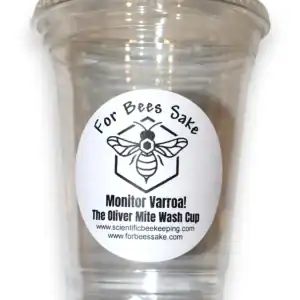
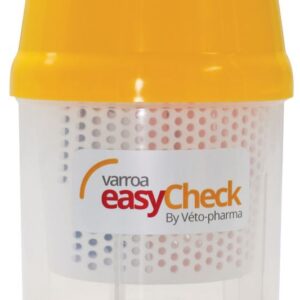
Randy Oliver Mite Wash Cup
Price range: $2.95 through $27.95 Select options This product has multiple variants. The options may be chosen on the product page -
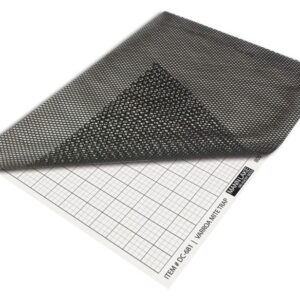
Sticky Board With Screen
Price range: $6.25 through $9.95 Select options This product has multiple variants. The options may be chosen on the product page -
-
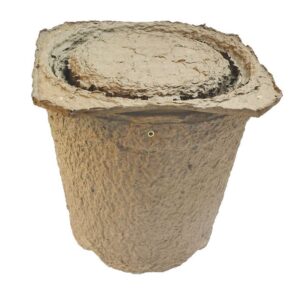
Swarm Trap (fiber)
$35.65 Select options This product has multiple variants. The options may be chosen on the product page -
-
-
-
Sale!
VarroxSan Oxalic Acid Mite Strips
Price range: $39.95 through $89.95 Select options This product has multiple variants. The options may be chosen on the product page