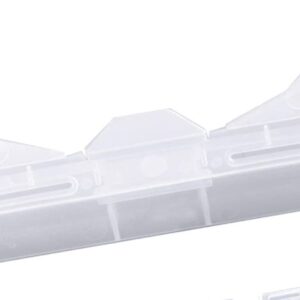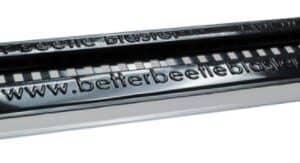


Beetle Barn Small Hive Beetle Trap for hive beetle control
- Easy: Just place trap on top bars or on bottom board.
- Reusable: Simply open, empty and place back in hive.
- Can be baited with a variety of foods attractive to beetles
- Can be used with Checkmite+ strips cut down to size to kill beetles entering the Beetle Barn
- Traps are safe: Kill the beetles, not your bees!
- Proactive: Prevent small hive beetles from growing into a problem
Money Saver: If you have had a colony “SLIMED” you know the damage it does to your colony and equipment, save money by preventing this issue.
Small Hive Beetle Trap
Small hive beetles constantly threaten colony health, particularly during warm, humid Midwest summers. Female beetles target vulnerable comb to lay eggs, leading to hatched larvae that feed on honey and brood while leaving behind damaging yeast slime. Inserting a small hive beetle trap along top bars provides an immediate physical barrier where guard bees naturally corridor pests.
For young bee nucs or newly introduced queen bees, maintaining tight beetle control prevents stress that hinders colony build-up.
Combining mechanical traps with healthy hygiene habits keeps your apiary thriving season after season. As a trusted local beekeeping supplier, Meyer Bees supports your apiary management needs across Chicagoland with expert advice and field-tested gear.
How to use a Beetle Barn Small Hive Beetle Trap:
- Easy: Just place trap on top bars or on bottom board.
- Reusable: Simply open, empty and place back in hive.
- Can be baited with a variety of solid foods attractive to beetles
- Can be used with Checkmite+ strips cut down to size to kill beetles entering the Beetle Barn
- Traps are safe: Kill the beetles, not your bees!
- Proactive: Prevent small hive beetles from growing into a problem
Contact our team today for personalized advice and practical solutions to help manage seasonal pests and protect your property year-round!
Frequently Asked Questions
How do beetles enter the hive initially?
Adult beetles fly directly into the hive entry, drawn by the scent and colony activity, especially targeting weaker colonies.
What food baits work best inside traps?
For this trap you’ll need to utilize solid hive beetle attractants like small pieces of pollen patty or bee bread which entices beetles through the entry slots while keeping worker bees out. Remember to include a small piece of Checkmite+ in the trap to kill the beetles.
Where should traps be located for maximum catch?
Position traps in the top corners of hive bodies or along the outer top bars. Worker bees naturally herd adult beetles into dark, tight crevices at the top of the hive, making these areas the most effective trapping zones.
Can traps remain in hives during winter?
No, remove traps during autumn prep. Cold weather causes beetles to migrate into the main cluster for warmth, rendering unheated top-bar traps empty and unnecessary until spring warmth returns.
How often do traps need maintenance?
Check every two weeks during regular inspections. Apart from clearing out captured pests, top off fluid or bait and scrape away any propolis bees use to seal the slots.