Feed, Stimulants, Pollen Substitutes & Lures
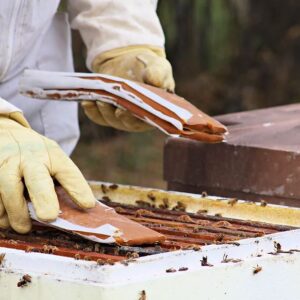
Feeding bees is an important part of keeping colonies healthy, especially during early spring buildup and fall preparation, as well as the times when natural forage is limited. Many beekeepers use bee feeder food to support new packages, strengthen brood production, or help colonies through long Midwestern winters.
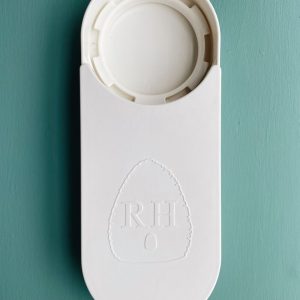
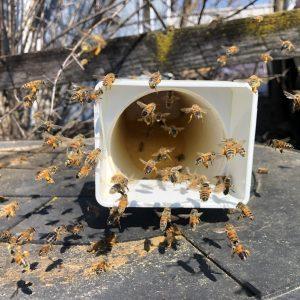
Choosing the right feeder depends on the season and colony strength, along with your preferred management style. Entrance feeders are simple and easy to monitor, while hive‑top and pail feeders offer larger capacity for growing colonies. Frame feeders work well inside the hive when temperatures fluctuate or when you want to keep feed close to the cluster.
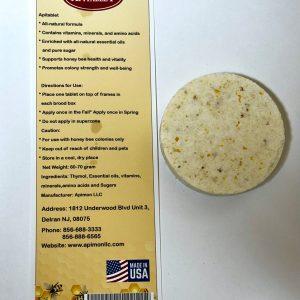
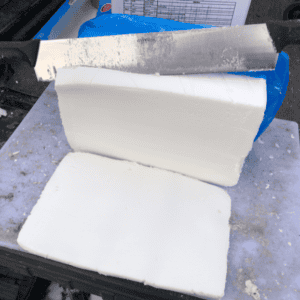
Different feeding products serve different purposes throughout the year. Liquid syrup helps stimulate brood production in spring and supports storage building in fall. Pollen patties and dry pollen substitutes are useful when natural pollen is scarce or when colonies need a nutritional boost. Fondant and winter patties provide cold‑weather insurance when bees cannot break cluster to reach liquid feed. Many beekeepers also use stimulants or essential oil blends to encourage feeding behavior or support colony health. Keeping a few feeder styles and food types on hand makes it easier to adjust quickly as conditions change.
New beekeepers often run into challenges when feeding for the first time. Overfilling feeders or leaving syrup exposed can attract robbing bees, wasps, or ants. Feeding during a nectar flow may cause bees to store syrup in honey supers, affecting honey quality. Using the wrong syrup ratio for the season can slow colony progress or create unnecessary moisture inside the hive. Another common issue is placing feeders too far from the cluster during cold weather, making it difficult for bees to access the food. Regular checks, including cleaning equipment and adjusting feeding methods, can prevent most problems as the colony grows.
A few simple tools make feeding easier and more efficient. Many beekeepers keep the following items nearby:
- Entrance reducers to limit robbing
- Feeder floats or ladders to prevent drowning
- Mixing containers for preparing syrup
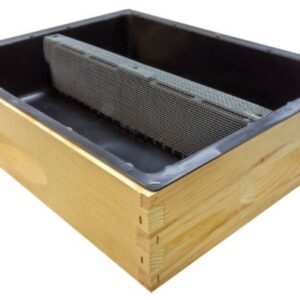
- Robbing screens for high‑traffic apiaries
- Extra lids and jars for quick feeder changes
These tools help maintain clean, safe feeding conditions and reduce stress on the colony. Whether you’re feeding a single hive or managing a larger operation, Meyer Bees offers a full range of beekeeping supplies to support your seasonal needs.
For help choosing the right feeder or feeding method, contact Meyer Bees for friendly, expert guidance.
Frequently Asked Questions
When should I feed my bees?
Most colonies benefit from feeding in early spring and again in fall, but any hive showing light stores or limited forage may need support sooner.
Which feeder is best for beginners?
Entrance feeders and pail feeders are usually the easiest to manage. They’re simple and predictable, and they let new beekeepers monitor syrup levels without opening the hive.
What syrup ratio should I use?
Use 1:1 syrup to stimulate brood production in spring. Switch to 2:1 in fall when you want bees to store food quickly and reduce moisture inside the hive.
How do I prevent robbing during feeding?
Avoid open feeding. Additionally, keep entrances small and place syrup inside the hive. Even small changes can dramatically reduce robbing pressure in busy apiaries.
Can I feed bees in winter?
Yes. Solid feed, such as fondant, winter patties, or candy boards, gives bees access to nutrition when they can’t break cluster or reach liquid syrup.
-

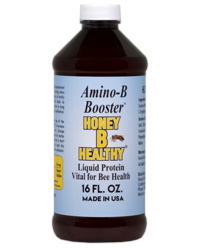
Amino-B Booster
Price range: $22.95 through $149.95 Select options This product has multiple variants. The options may be chosen on the product page -
-
-
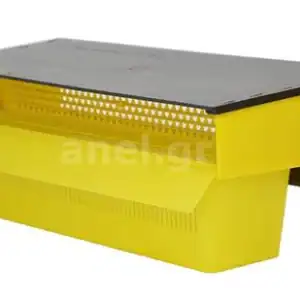
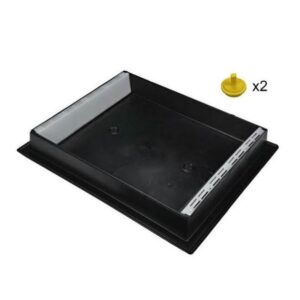
Anel Entrance Feeder for Bees
Price range: $7.00 through $10.00 Select options This product has multiple variants. The options may be chosen on the product page -
-
-
-
Apis Biologix BIO-CONTROL
Price range: $25.99 through $69.99 Select options This product has multiple variants. The options may be chosen on the product page -
-
-
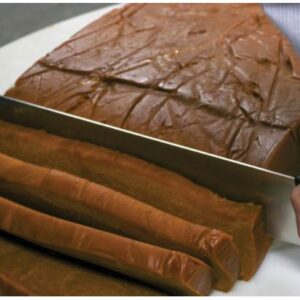
Bee Fondant Cube
Price range: $2.95 through $69.95 Select options This product has multiple variants. The options may be chosen on the product page -
-
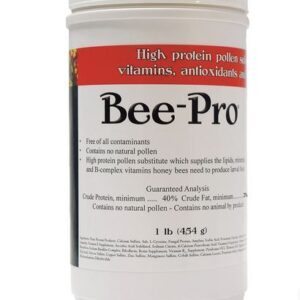
Bee-Pro Dry Pollen Substitute
Price range: $14.95 through $89.95 Select options This product has multiple variants. The options may be chosen on the product page -
-
-
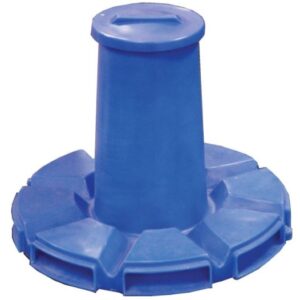
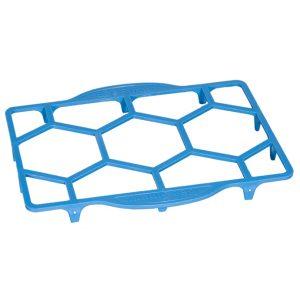
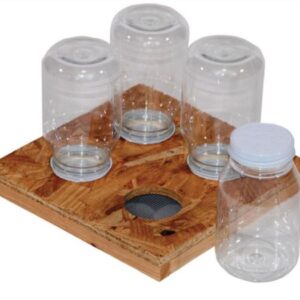
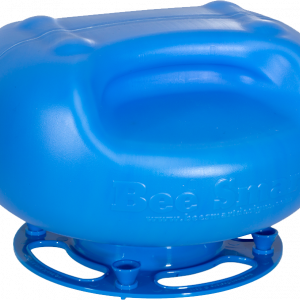
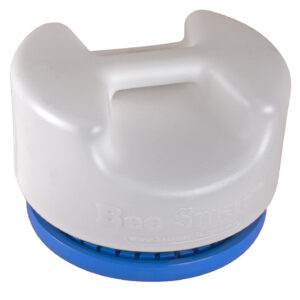
Bucket Bee Raft
Price range: $11.99 through $14.99 Select options This product has multiple variants. The options may be chosen on the product page -
Candy Board for Bees
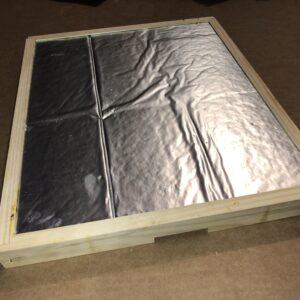
Price range: $25.00 through $40.00 Select options This product has multiple variants. The options may be chosen on the product page -
-
-
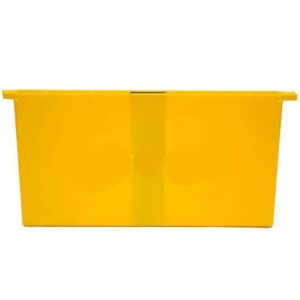
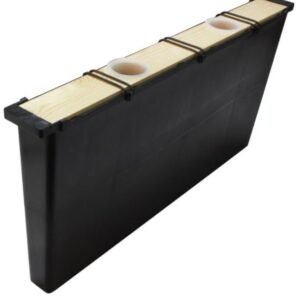
Frame Feeder with Cap and Ladder
Price range: $17.50 through $89.95 Select options This product has multiple variants. The options may be chosen on the product page -
Global Pollen Patties
Price range: $3.50 through $119.95 Select options This product has multiple variants. The options may be chosen on the product page -
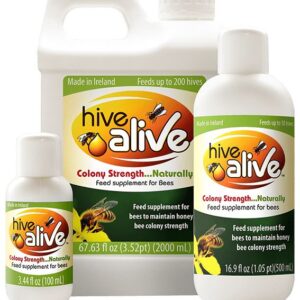
Hive Alive
Price range: $29.95 through $699.00 Select options This product has multiple variants. The options may be chosen on the product page -
Sale!
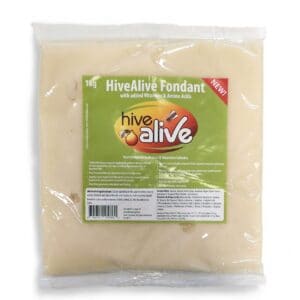
Hive Alive Fondant Patty
Price range: $7.95 through $79.95 Select options This product has multiple variants. The options may be chosen on the product page -
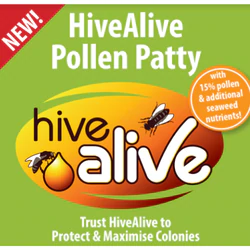
Hive Alive Pollen Patty
Price range: $4.95 through $400.00 Select options This product has multiple variants. The options may be chosen on the product page -
Hive Top Feeder
Price range: $32.95 through $199.95 Select options This product has multiple variants. The options may be chosen on the product page -
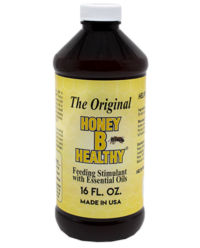
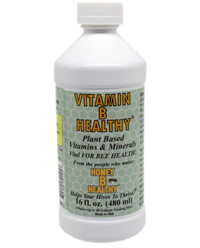
Honey B Healthy Original
Price range: $22.95 through $475.00 Select options This product has multiple variants. The options may be chosen on the product page -
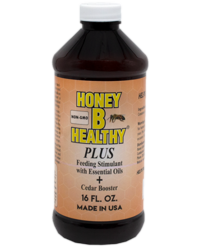
Honey B Healthy Plus
Price range: $24.95 through $144.95 Select options This product has multiple variants. The options may be chosen on the product page -
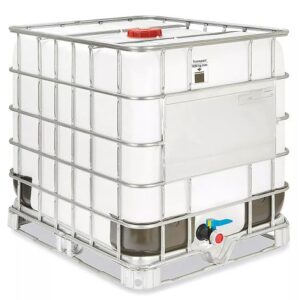
Honeybee High Fructose Corn Syrup / HFCS
Price range: $59.95 through $1,995.95 Select options This product has multiple variants. The options may be chosen on the product page -
-
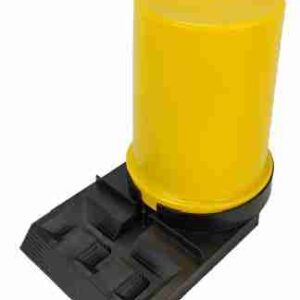
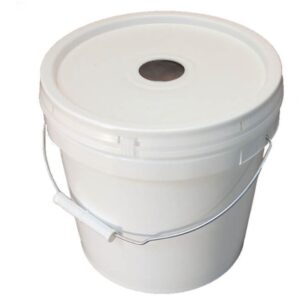
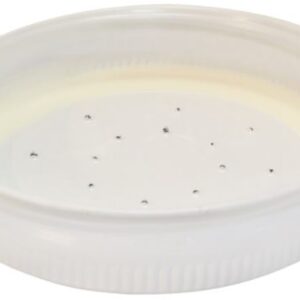
Pail Feeder
Price range: $7.95 through $10.49 Select options This product has multiple variants. The options may be chosen on the product page -
-
Pollen Patty / Protein Patty
Price range: $4.00 through $89.95 Select options This product has multiple variants. The options may be chosen on the product page -
-
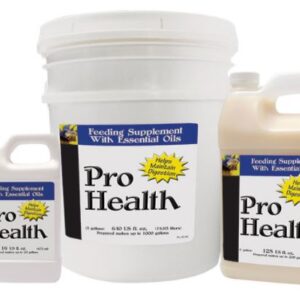
Pro Health
Price range: $29.95 through $499.95 Select options This product has multiple variants. The options may be chosen on the product page -
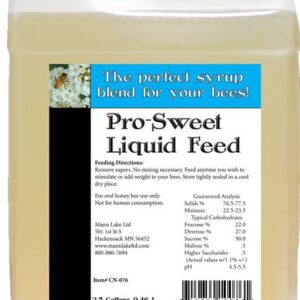
Pro Sweet Liquid Feed for Bees
Price range: $37.95 through $123.95 Select options This product has multiple variants. The options may be chosen on the product page -
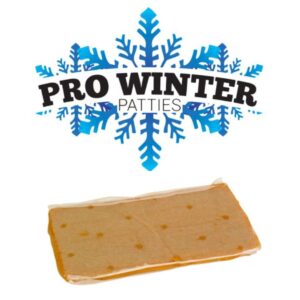
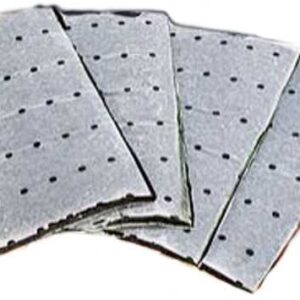
Pro Winter Patties for Bees
Price range: $4.50 through $119.95 Select options This product has multiple variants. The options may be chosen on the product page -
Spirulina Patties / Protein Patty
Price range: $4.95 through $179.95 Select options This product has multiple variants. The options may be chosen on the product page -
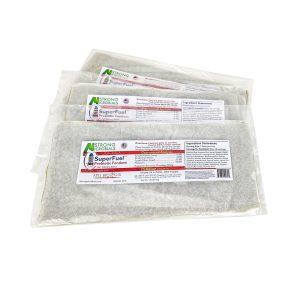
Super Fuel Probiotic Fondant for Honey Bees
Price range: $6.95 through $139.95 Select options This product has multiple variants. The options may be chosen on the product page -
-
-
-
-
-
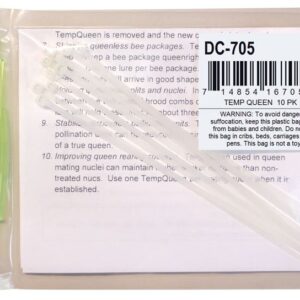
Temp Queen Pheromone with QMP
Price range: $9.95 through $129.95 Select options This product has multiple variants. The options may be chosen on the product page -
Ultimate 3-Season Direct Feeder
Price range: $19.95 through $24.95 Select options This product has multiple variants. The options may be chosen on the product page -
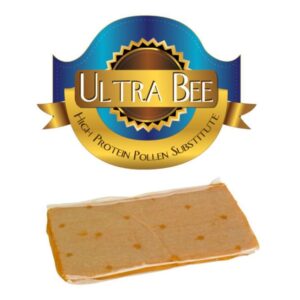
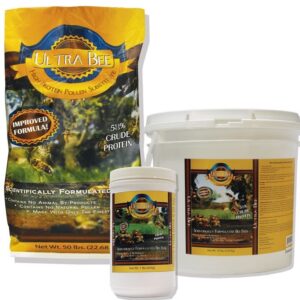
Ultra Bee Dry Pollen Substitute
Price range: $19.95 through $99.95 Select options This product has multiple variants. The options may be chosen on the product page -
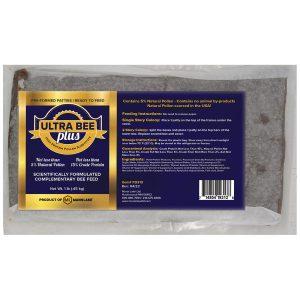
Ultra Bee Plus Patties with Natural Pollen
Price range: $8.95 through $109.95 Select options This product has multiple variants. The options may be chosen on the product page