
Insulated Bee Hives
-
Sale!

Primal Bee Hive
Price range: $35.00 through $699.00 Select options This product has multiple variants. The options may be chosen on the product page -
Anel Bottom Board – Solid and Vented
Price range: $16.95 through $39.95 Select options This product has multiple variants. The options may be chosen on the product page -
-
Anel Hive Boxes – Assembled, Insulated R6 and No Painting Required
Price range: $54.95 through $59.95 Select options This product has multiple variants. The options may be chosen on the product page -
-
-
-
-
Beehive Inner Cover Insulation Pad
$10.95 Select options This product has multiple variants. The options may be chosen on the product page -
Candy Board for Bees
Price range: $25.00 through $40.00 Select options This product has multiple variants. The options may be chosen on the product page -
Easy On Hive Cover
$49.95 Select options This product has multiple variants. The options may be chosen on the product page -
Honey Bee Cozy Winter Hive Wraps
Price range: $28.95 through $29.95 Select options This product has multiple variants. The options may be chosen on the product page -
-
Inner Cover for Winter
Price range: $27.95 through $41.95 Select options This product has multiple variants. The options may be chosen on the product page -
-
-
-
-
-
-
-
-
-
-
-
-
-
-
Moisture Board
$15.95 Select options This product has multiple variants. The options may be chosen on the product page -
Slatted Rack
$31.00 Select options This product has multiple variants. The options may be chosen on the product page -
Styrofoam Double Mating Nuc
Price range: $1.25 through $47.95 Select options This product has multiple variants. The options may be chosen on the product page -
Styrofoam Mini Mating Nuc
Price range: $29.95 through $124.95 Select options This product has multiple variants. The options may be chosen on the product page -
Ultimate Duo – Hive Cover and Insulated Inner Cover
$67.95 Select options This product has multiple variants. The options may be chosen on the product page -
-
Winter Wrap Cardboard
$19.95 Select options This product has multiple variants. The options may be chosen on the product page


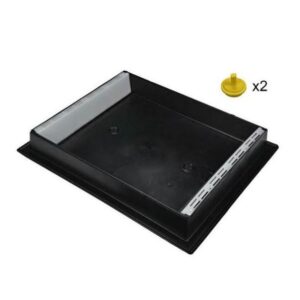


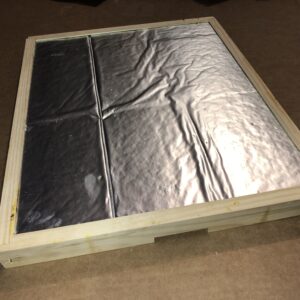


Keep the Hives You Have
You do not have to replace your hives to insulate them. Most of what is here retrofits the woodenware you already use. An insulated inner cover or insulation pad goes on in minutes. For managing damp conditions, a quilt box or moisture board can help.
A candy board provides food and insulation at the same time, while winter wraps add protection when the cold sets in.
If you would rather start fresh, the Anel and Lyson systems build complete insulated bee hives from bottom board to top cover, and the insulated polystyrene boxes arrive assembled with no painting needed. Nuc bodies and mating nucs also come insulated. Meyer Bees carries the whole range right here alongside its beekeeping supplies.
Contact us today to learn more.
Insulated bee hives are available in several different styles. Insulation in beehives typically mimics their natural environment like hollow trees with thick walls that feral bees live in. These structures slow down the temperature changes within the colony environment by holding temperatures stable for longer periods of time making it easier for the bees to adjust to temperature swings. Insulated bee hives average R6 insulation values or higher depending on the configuration options.
- Adding insulation to the top of a hive typically has the biggest effect on temperature regulation in the bee hive. This is most noticeable during winter when condensation can form on the top of the hive if insulation is not present and drip back down on the bees.
- Side insulation is the next best area to insulate.
FAQs
Polystyrene or wood?
Polystyrene holds temperature better and arrives ready to use, which is why the Anel boxes need no painting. Wood is heavier and needs finishing. Many beekeepers also prefer it because of how it ages.
What is a quilt box for?
Moisture, mainly. It sits above the cluster with absorbent material inside and a mesh floor, so damp air rises into it instead of collecting where the bees are. Beekeepers in wet winters often run one alongside a moisture board rather than choosing between them.
Can insulation cause problems in summer?
Less than people expect, since the same walls that keep heat in also keep it out. What matters more in summer is ventilation, so a screened bottom board and a properly sized entrance do the work.
Do wraps and insulated covers work together?
They do, and plenty of beekeepers run both. A wrap works on the outside while a cover or pad works inside the hive body stack, and the two do different jobs. Just be sure to keep the entrance clear and manage stored honey at the top of the hive as the bees move up during winter. Add winter feed like fondant if the colony runs low on stored food.