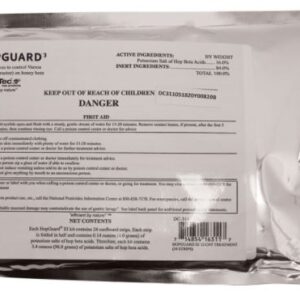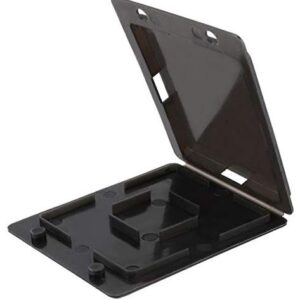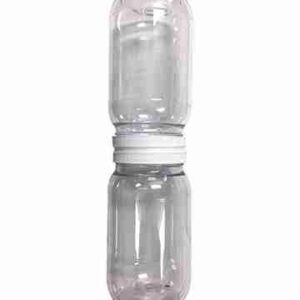


Beetle Blaster traps are the all-natural way to trap the small hive beetle. Simply fill the trap with Beetle Trap Oil and place it between 2 frames. The beetles go in and can’t get back out. You can change them out as often as necessary, even during a honey flow! Traps are disposable. Best results are typically achieved if you place two traps in opposite corners in the top box. Heavy beetle infestations may require additional traps.
Regular size and Mini size available.
When to Use Beetle Blaster Traps
Adult small hive beetles slip into cracks and lay eggs. Once the larvae hatch, they chew through comb and turn stored honey into a fermented runny mess. That can happen to a hive with new queen bees from Meyer Bees just as easily as to an established colony.
Beetle Blaster traps are the all-natural way to trap the small hive beetle. Simply fill the trap with Beetle Trap Oil and place it between 2 frames. The beetles go in and can’t get back out. You can change them out as often as necessary, even during a honey flow! Traps are disposable. Best results are typically achieved if you place two traps in opposite corners in the top box. Heavy beetle infestations may require additional traps.
Reach for them when:
- Adult beetles are running across frames or hiding in corners
- A bee nuc or smaller colony can’t patrol every frame
- New queen bees have just gone in, and the colony is still settling
- Several hives need coverage
Not sure where to place them? Contact our team or call 815-521-9116. Order beetle blaster traps today!
Frequently Asked Questions
How can I tell beetle damage from mold in a hive?
Beetle damage looks slimy and smells like rotting oranges. Mold shows up as fuzzy white or green patches on damp comb or in dead-outs. Slime points to beetles, and fuzz points to moisture. That changes the fix, since traps and strong colonies handle beetles while better airflow handles mold.
Why does the ground around my hive matter?
Mature beetle larvae leave the hive and burrow into the soil to pupate. Warm, moist ground suits them, so a sunny, well-drained site makes your yard less inviting. You can use a ground drench to control hive beetle larvae in the ground if this happens.
What should I do with moldy comb?
Light mold on drawn comb is manageable. Set the frames out in the sun and fresh air to dry, and a healthy colony will clean up the rest. Replace comb that is heavily molded or slimed by beetles.
How should I store spare drawn comb?
Keep it dry and off the ground. Damp, warm storage feeds mold. Freeze your frames before putting them into storage to kill any residual hive beetle eggs that may be on the frames.
How often should I check my hive for beetles and mold?
Check at every inspection. Look along the bottom board and under the inner cover, where beetles like to hide, and note any slime or fuzzy growth. Also check your beetle blaster traps and swap any that are full, since a full trap can’t catch more. Catching trouble early is far easier than cleaning up a wrecked hive.