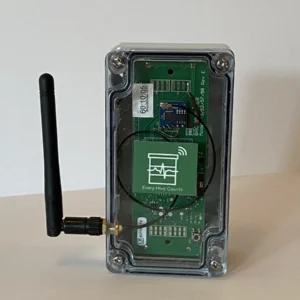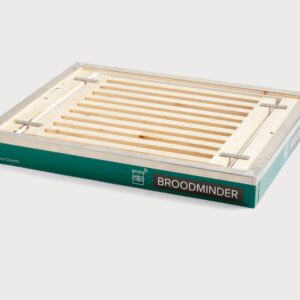
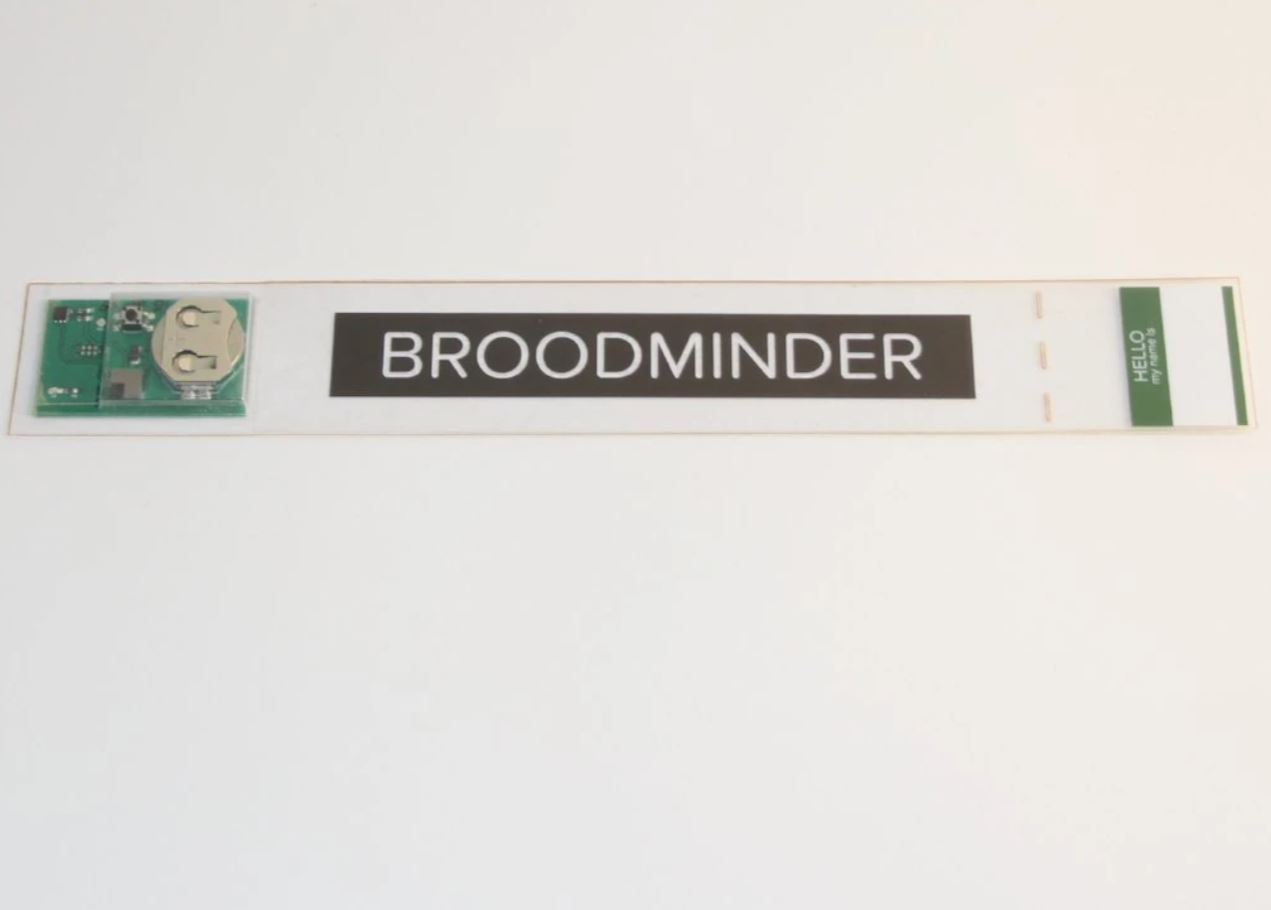
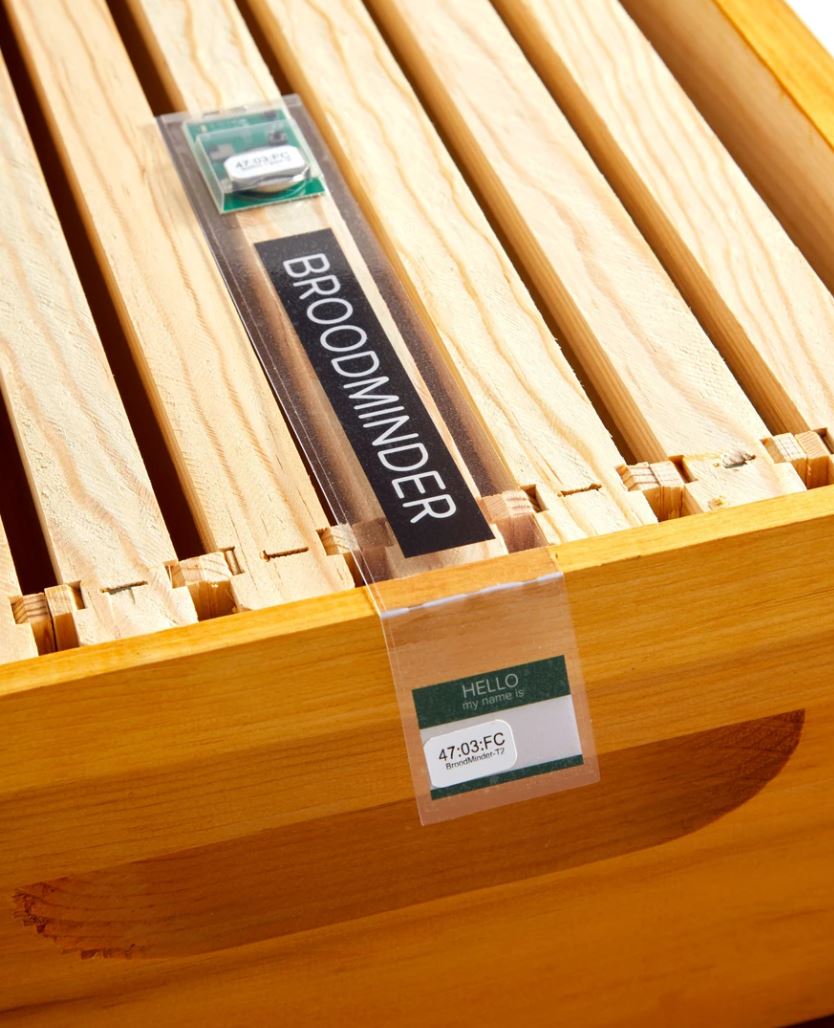
Changes inside a hive don’t always show up during a routine inspection. A beehive temperature & humidity monitor helps you follow conditions between visits, giving you another way to understand how your colony responds to changing weather and brood development. Instead of relying on a single snapshot, you can look for patterns that build over time.
How the BroodMinder TH2 Works
The BroodMinder TH2 records temperature and humidity inside the hive at regular intervals, creating a history you can review instead of relying on memory alone. One reading may not tell you much, but several days of data can reveal trends. For example, steady brood temperatures often suggest the colony is actively caring for developing bees, while repeated changes may warrant a closer inspection.
Experienced beekeepers combine monitoring data with hands-on hive checks. As a trusted beekeeping supplier, Meyer Bees recommends using both to better understand what is happening inside the colony throughout the season.
What Temperature and Humidity Can Tell You
Temperature and humidity work together to paint a clearer picture of hive conditions. Rising humidity in cool weather may indicate excess moisture, while stable conditions often indicate that bees are managing ventilation and brood care effectively. Over time, you’ll also learn what is normal for each colony, making unusual changes easier to spot.
Monitoring trends can help you:
- Compare hive performance after periods of hot, cold, or wet weather.
- Spot changes that deserve a closer inspection before they become larger problems.
- Build seasonal records that make future management decisions easier.
A beehive temperature & humidity monitor adds another layer of information to your regular inspections. Browse monitoring tools and other trusted beekeeping equipment from Meyer Bees to build a hive management system that grows with your apiary.
Frequently Asked Questions
Can monitoring trends be more useful than individual readings?
Yes. Long-term trends often reveal gradual changes that may not be noticeable during a single hive inspection.
Should every hive have its own monitor?
While not required, placing monitors in multiple hives makes it easier to compare colony performance and identify differences that may need attention.
Can seasonal weather affect hive readings?
Yes. Outside temperatures and nectar availability all influence conditions inside the hive, making year-round monitoring especially valuable.