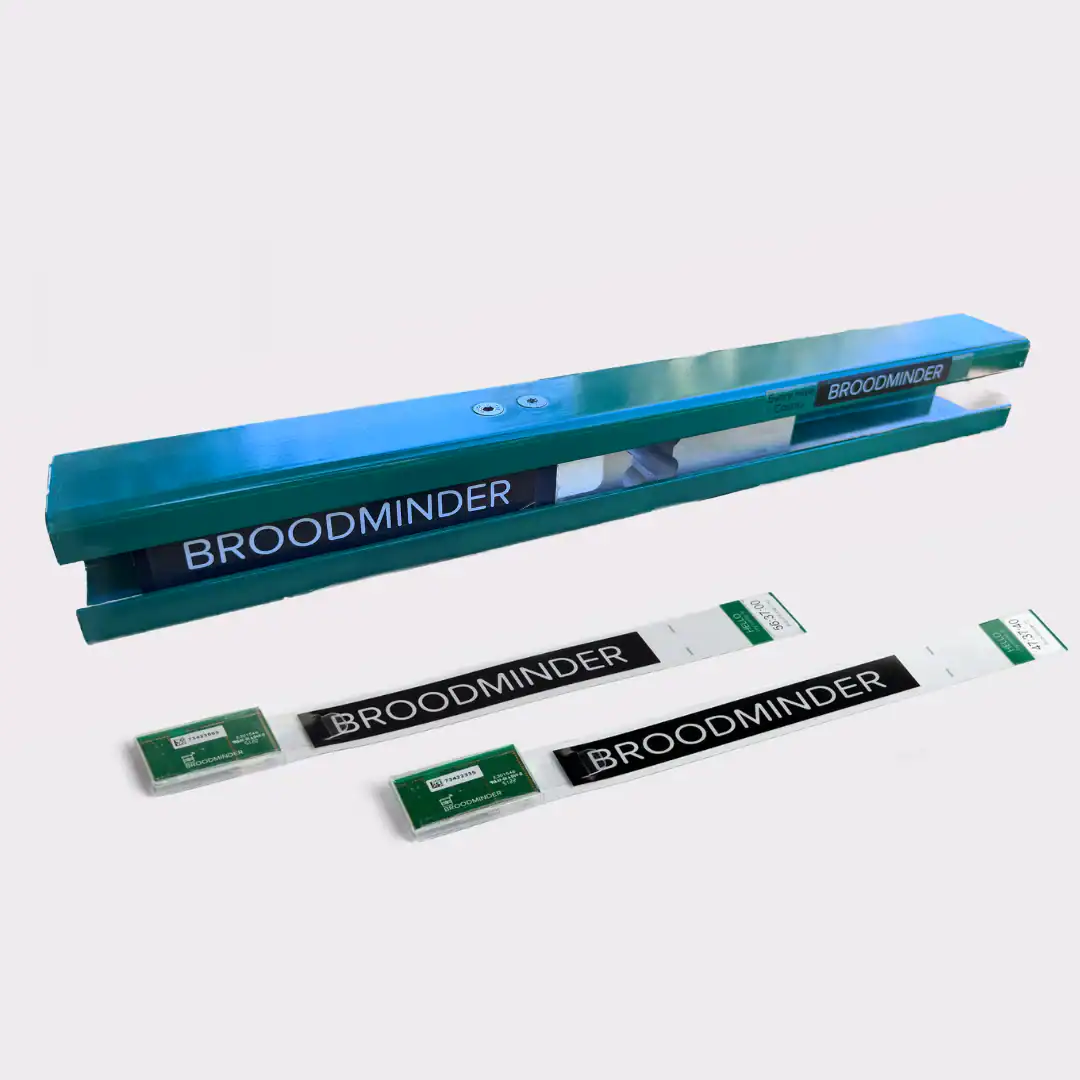
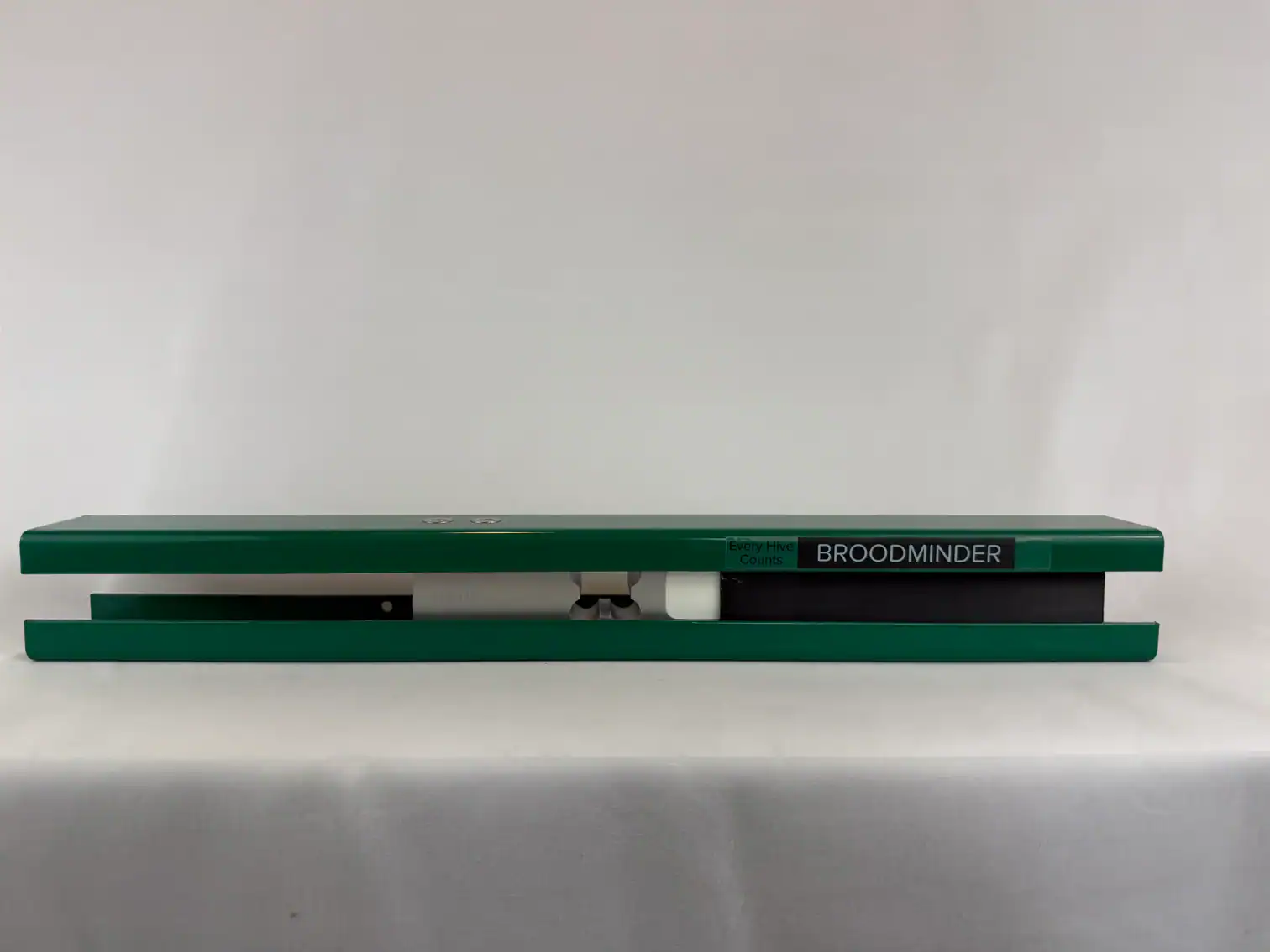
BroodMinder-W5 Hive Weight Scale is simple and focused. There is no need to add bells and whistles, “Just give me an accurate hive weight man!”
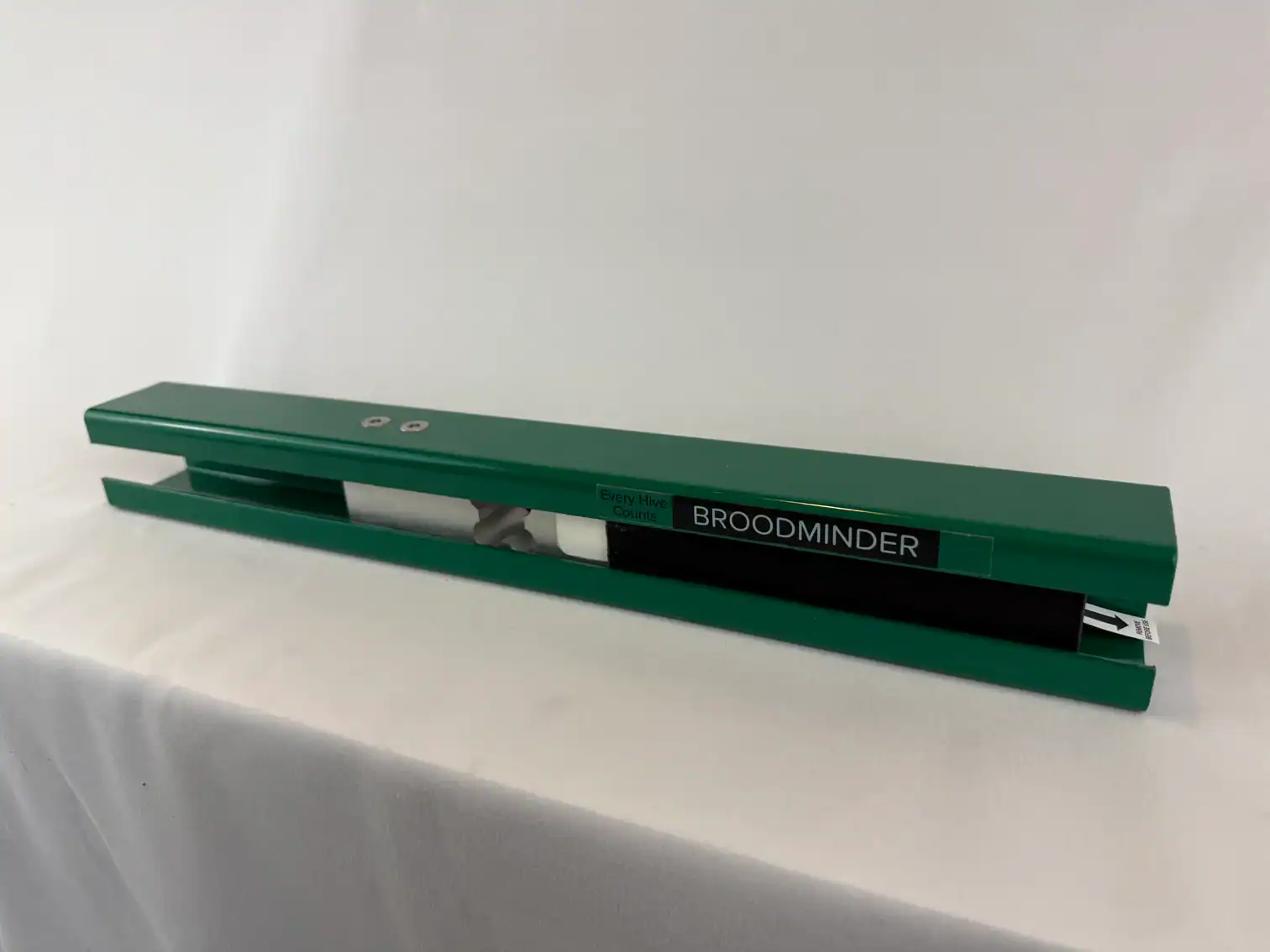
This is the newest, most rugged and most accurate scale. Replacing the BroodMinder-W scale, the BroodMinder-W5 features all steel construction and a single 200 kg, temperature compensated load cell. Two -W5 scales can be paired for use as a full hive scale.
Features of the W5 Hive Weight Scale:
- 500-pound total hive weight measurement (200% overload capacity)
- 0.01 pound (5 gram) resolution
- Temperature compensated
- Stores weight once per hour for over a year (user configurable)
- Fully integrated with the Bees app and MyBroodMinder
- Replaceable AA batteries last 5+ years
- 2″ x 2″ x 17.25″ (50mm x 50mm x 438mm)
- Weatherproof, powder coated steel construction
- 2 year warranty
Broodminder Weight Scale for the Hive
Understanding what’s happening inside a hive without opening it is one of the biggest advantages of modern monitoring tools. A BroodMinder weight scale gives beekeepers a clearer picture of colony behavior by tracking daily and seasonal weight changes. While the technical specifications explain what the device can measure, the real value comes from how those measurements help you make better decisions for your bees. As part of a full line of beekeeping supplies, Meyer Bees offers this scale to support both hobbyists and commercial operations across the Midwest.
Weight data reveals far more than total hive mass. A steady rise often signals a nectar flow, while a sudden drop may indicate swarming or heavy foraging activity. During winter, gradual weight loss shows how quickly bees are consuming stored honey. These patterns help you understand colony strength and seasonal timing without disturbing the hive.
For Illinois beekeepers, where weather shifts can be abrupt, weight trends offer early warnings that colonies may need feeding or additional space.
Interpreting weight‑change patterns becomes easier once you know what to look for. A sharp overnight drop can suggest a swarm event, especially in late spring. A slow, steady rise in summer usually means bees are bringing in nectar and converting it into honey. Sudden fluctuations during a nectar dry spell may point to robbing pressure. Even small changes can be meaningful: a few tenths of a pound lost each day in winter can help you estimate when supplemental feeding might be necessary.
Over time, these trends build a picture of each colony’s behavior and help you compare yards, genetics and management strategies.
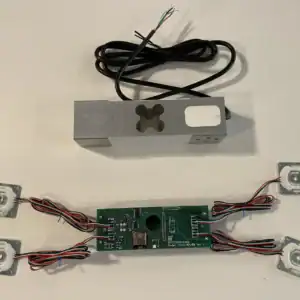
The scale’s design supports accurate readings by using four force sensors that distribute weight evenly across the hive. Its weather‑resistant construction and long battery life make it suitable for year‑round outdoor use. While the technical details such as resolution and calibration matter for precision, choosing the right configuration depends on your comfort level and how quickly you want to start collecting data.
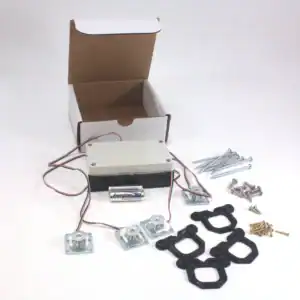
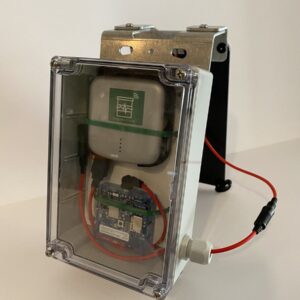
Fully assembled units are ideal for beekeepers who want a plug‑and‑play option with minimal setup. Partially assembled versions offer a balance between convenience and hands‑on involvement, while the kit version appeals to DIY users who enjoy soldering, calibration and customizing their equipment.
Many beekeepers also pair the scale with other tools to get a more complete picture of hive health. Common add‑ons include:
- BroodMinder temperature or humidity sensors for brood‑area insights
- Hive stands to improve stability and accuracy
- Wintering equipment to protect the scale and hive during cold months
- Extra supers, since weight data helps you know exactly when to add them
Beyond add‑ons, the scale becomes even more valuable when used as part of a broader management routine. Beekeepers often rely on weight data to:
- Time honey super additions with greater accuracy
- Compare colony buildup across different yards
- Track the performance of specific queen lines
- Monitor food reserves during long Midwest winters
- Reduce unnecessary hive disruptions by confirming activity externally
Each configuration integrates with BroodMinder’s data platform, allowing you to view trends, compare colonies, track seasonal changes, and receive alerts when conditions need your attention. This is especially useful for commercial beekeepers managing multiple yards or anyone wanting to reduce unnecessary hive disruptions.
For practical guidance on choosing the right configuration for your apiary, connect with Meyer Bees for experience‑based support
Frequently Asked Questions
How does hive‑weight data help with seasonal management?
Weight trends show nectar flows and winter food consumption, helping you time feeding and inspections with more confidence.
What signs in the data suggest a swarm may have occurred?
A sudden, noticeable weight drop, often several pounds at once, can indicate a swarm, especially during peak buildup in late spring.
How often should I check the weight readings?
Most beekeepers review daily or weekly trends, but long‑term patterns are often more valuable than individual data points.
Do I need additional sensors to get useful information?
Not necessarily. The scale alone provides meaningful insights, but pairing it with temperature or humidity sensors offers a more complete view of brood activity and colony health.
Which version of the scale is best for beginners?
Most new beekeepers prefer the fully assembled option, while DIY users may enjoy the flexibility and hands‑on experience of the kit version.